
3 Unknown Truths of Black History That Will Change Your Perspective Forever
Black History is a rich and dynamic tapestry woven with the experiences of millions of people over centuries. While many of us are familiar with well-known figures such as Martin Luther King Jr. and Harriet Tubman, there is much more to this history than what is often taught in mainstream history books.
This blog post will delve into three unknown truths about Black History that are often overlooked but are just as crucial in understanding the full picture of this incredible story. With that in mind, let's delve into the first of the three unknown truths many may not know about Black History.
Truth #1: The Contribution of Black Women in American History
Many of us are familiar with the efforts of Martin Luther King Jr. and other male leaders in the Civil Rights Movement, but what about the contributions of black women? Despite facing discrimination on multiple fronts, black women have been at the forefront of social and political change in America for centuries.
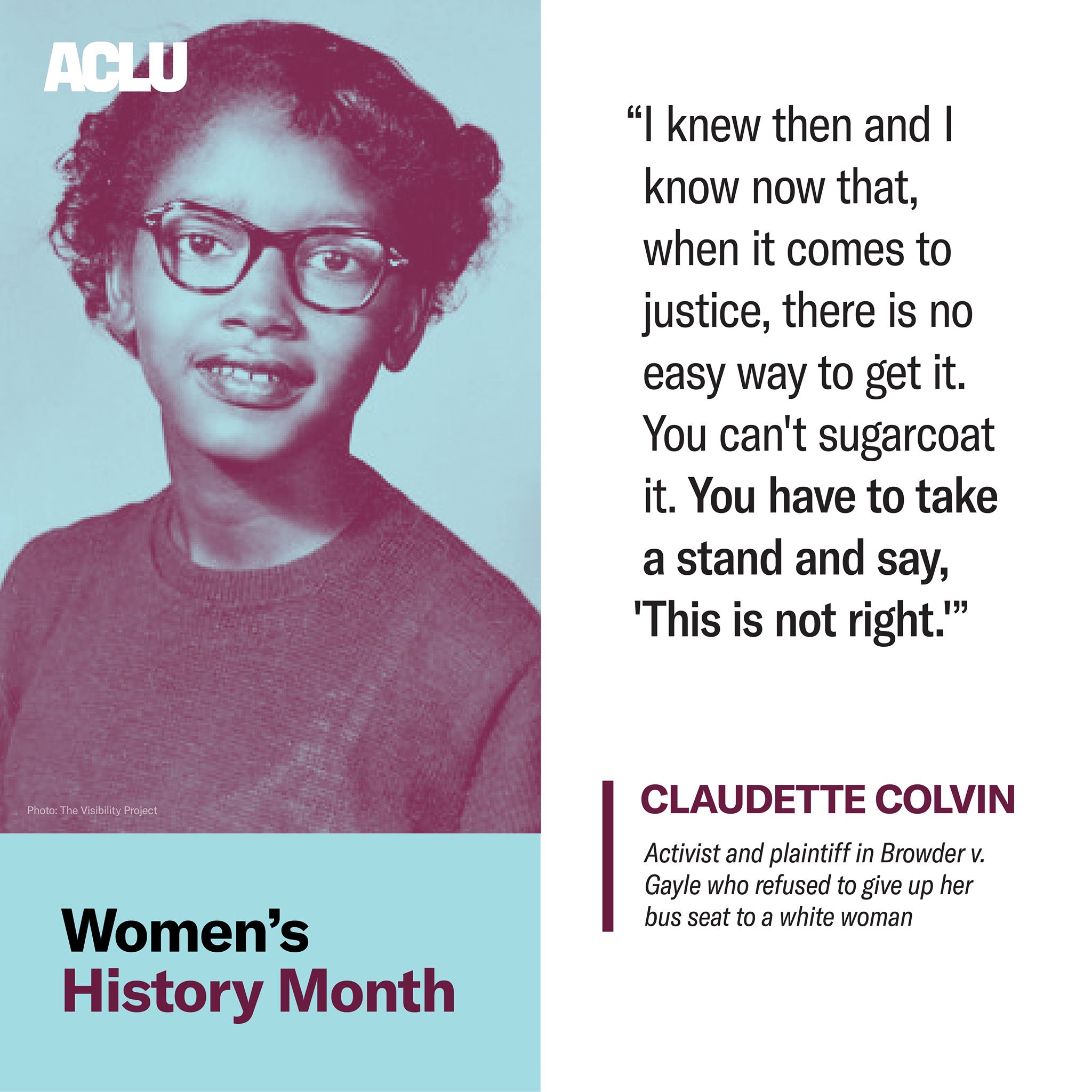
One of the most notable examples of this is the Montgomery Bus Boycott. While Rosa Parks is often credited with starting the boycott, it was actually a collective effort led by black women, including Jo Ann Robinson and Claudette Colvin, who played key roles in organizing and maintaining the boycott for over a year.
In addition to their activism, black women have also been trailblazers in various fields, such as science, medicine, and the arts. For example, Dr. Rebecca Lee Crumpler was the first black woman to become a licensed physician in the United States, while sculptor Edmonia Lewis was one of the most prominent artists of her time.
Having explored the first truth, it's now time to move on to the second truth, which showcases the ingenuity and innovation of people of African descent.
Dr. Rebecca Lee Crumpler was the first black woman to become a licensed physician in the United States, while sculptor Edmonia Lewis was one of the most prominent artists of her time.
Truth #2: The African Roots of Many Modern Technologies
It is often assumed that technological advancements were made exclusively by Western civilizations, but the truth is that many modern technologies have their roots in African civilizations. For example, the mathematical concept of zero, which is critical to modern computing and finance, was first developed by the ancient civilizations of Africa.
In addition, many of the technologies we use today, such as iron smelting and metallurgy, were developed and used by African civilizations centuries before they were adopted in Europe. Furthermore, ancient African civilizations also developed complex systems of writing, such as the hieroglyphics of the ancient Egyptians, which laid the foundation for modern communication.
Having discovered the second truth, we now turn our attention to the final truth, which highlights the significance of the African Diaspora and its impact on cultures and societies around the world.
In addition, many of the technologies we use today, such as iron smelting and metallurgy, were developed and used by African civilizations centuries before they were adopted in Europe.
Truth #3: The Global Reach of the African Diaspora
When we think of the African Diaspora, it is often in the context of the transatlantic slave trade and the forced migration of millions of Africans to the Americas. However, the African Diaspora is a global phenomenon that has had a profound impact on cultures and societies around the world.
From the vibrant Afro-Latinx communities in Latin America to the thriving Afro-Caribbean communities in the Caribbean, the influence of the African Diaspora can be seen in many aspects of these cultures, from music and dance to cuisine and spirituality. Additionally, the contributions of people of African descent can be seen in fields as diverse as literature, politics, and sports.
Having uncovered the third and final truth, we can now summarize the importance of these little-known facts in the larger context of Black History.
From the vibrant Afro-Latinx communities in Latin America to the thriving Afro-Caribbean communities in the Caribbean, the influence of the African Diaspora can be seen in many aspects of these cultures, from music and dance to cuisine and spirituality.
In conclusion, the "3 Unknown Truths Many May Not Know About Black History" highlights just a small portion of the rich and diverse history of Black people. These untold stories serve to expand our understanding of the history of Black people and challenge the narrow perspectives often presented in mainstream history books.
By learning about these unknown truths, we can gain a deeper appreciation for the contributions and resilience of Black people and the impact they have had on shaping our world.
However, this knowledge is not enough. It is time for us to take action and make sure that these stories are acknowledged and celebrated. It is crucial for us to create an inclusive and diverse education system that accurately represents the contributions of Black people. This includes including Black history in the curriculum and giving equal recognition to the achievements of Black people.
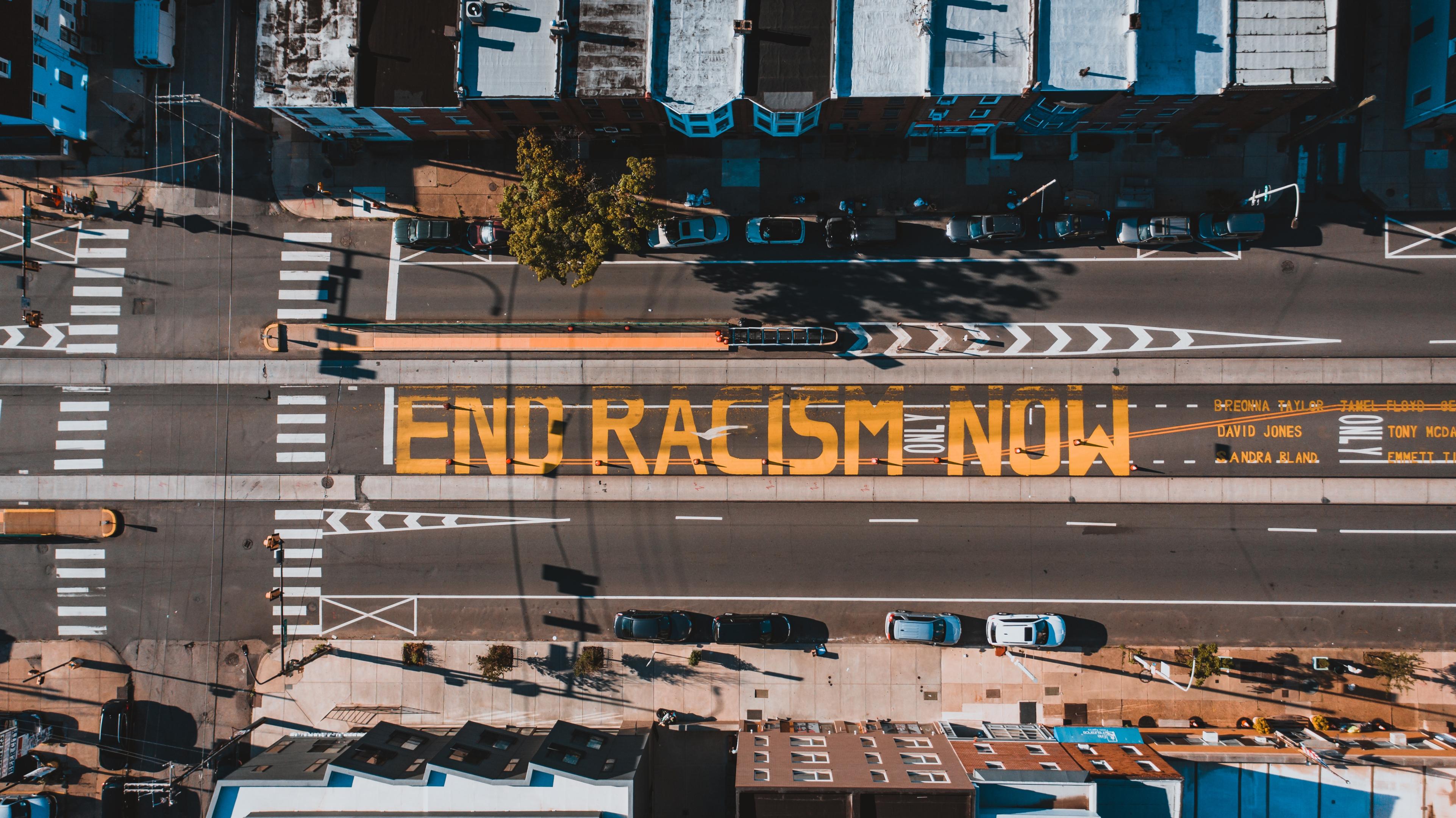
We must also actively work towards dismantling systemic racism and creating a more equal and just society. This means listening to and uplifting Black voices, supporting Black-owned businesses, and advocating for policies that promote equality and justice for Black people.
Let us not forget the unknown truths of Black history. Instead, let us use this knowledge to drive us towards a brighter future where Black people are celebrated, valued, and treated equally. Take the first step today, educate yourself and others on the unknown truths of Black history and join the movement towards a more equitable world.
With a deeper understanding of the unknown truths of Black History, it's time to delve further into some frequently asked questions about the subject.
FAQs:
To further expand upon our newfound knowledge of the three unknown truths about Black History, let's take a closer look at some frequently asked questions about the subject.
These questions will help us delve deeper into the intricacies of Black History and gain a more comprehensive understanding of the contributions and impact of people of African descent.
By answering these FAQs, we will gain a clearer picture of the rich and diverse history of Black people and their significance in shaping the world as we know it today.
Q: Why is it important to learn about these unknown truths of Black History?
A: It is important to learn about these unknown truths because they broaden our understanding of the rich and complex history of Black people, and challenge the narrow and often biased perspectives that are presented in mainstream history books. By learning about these truths, we can gain a deeper appreciation for the contributions and resilience of Black people, both past and present.
Q: Who were some of the black women who led the Montgomery Bus Boycott?
A: Some of the black women who led the Montgomery Bus Boycott were Jo Ann Robinson and Claudette Colvin.
Q: Which African civilizations first developed the concept of zero?
A: The ancient civilizations of Africa first developed the concept of zero.
Q: What are some of the fields where the contributions of people of African descent can be seen?
A: The contributions of people of African descent can be seen in fields such as literature, politics, sports, and more.
Q: How has the African Diaspora impacted cultures and societies around the world?
A: The African Diaspora has impacted cultures and societies around the world in various ways, including music, dance, cuisine, spirituality, and more.
Q: What is the significance of learning about the unknown truths of Black History?
A: Learning about the unknown truths of Black History is significant because it expands our understanding of the history of Black people and challenges the narrow perspectives often presented in mainstream history books. It also allows us to appreciate the contributions and resilience of Black people more deeply.


